Prowadzimy działalność handlową, wystawienniczą oraz edytorską, współpracujemy z instytucjami artystycznymi i artystami reprezentującymi różne orientacje i generacje twórcze.Organizujemy wystawy indywidualne oraz zbiorowe w kraju i zagranicą:

Znajdujesz się na stronie: fejkielgallery.com > Wystawy
 Wystawy
Władysław PlutaRangitoto i inne cykle
26.06.2026

Na wystawie prezentowane są najnowsze cykle graficzne Władysława Pluty: Cyfra zero, Litera L, Jazz oraz cykl o intrygującym tytule: Rangitoto. Cyfra zero ma formę nieznacznie spłaszczonego okręgu o szerokim marginesie czerni. Przypomina w większym stopniu literę „o” niż cyfrę. Dopiero wypełniony kolorem owalny środek swym kształtem sugeruje obecność tytułowego zera. Zero wypełnione kolorem nie jest już ani graficznym znakiem, ani matematycznym symbolem; uprzedmiotowione staje się elementem tarczy, bo takie skojarzenie nasuwa kompozycja.
Jan Fejkiel"Buy Art Not Cocaine"
24.04.2026
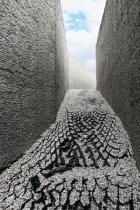
"Buy Art Not Cocaine” elektryzujący slogan nie pozbawiony aspektu dydaktycznego, ale i poczucia humoru, wybrzmiewa także jako głos wspierający sztukę, a to wzbudza nasze szczególne zainteresowanie. Nie dziwi więc, że napis ten, godny billboardu, choć niedostępny ogółowi, umieszczony na wlepce piwnicznego okna krakowskiej kamienicy, został przed kilku laty odkryty i udokumentowany fotograficznie. Zdjęcie ocalające od zapomnienia tę skromną formę Street Art nadało tytuł dzisiejszej wystawie. Prezentowane tu fotografie, podobnie jak tytułowa praca, przybliżają wyparte lub nie dostrzegane obszary rzeczywistości, zbyt siermiężne, banalne, a może nawet deprymujące, by dać gwarancję cywilizacyjnego awansu.
Jerzy PanekGrafika i rysunek. W 25.rocznicę śmierci
27.03.2026
 internet.JPG)
Jubileuszową wystawę mistrza drzeworytu Jerzego Panka upamiętniającą 25. rocznicę śmierci artysty postanowiliśmy, tym razem, poświecić jego mniej znanej domenie twórczości; grafice wykonywanej w technikach metalowych. Właśnie akwafortą debiutował w czasie wojny jako student okupacyjnej Kunstgewerbeschule (1942). Do technik metalowych ponownie powrócił pod koniec życia w latach 90. zeszłego stulecia. Na wystawie zdecydowaliśmy się pokazać także kilka drzeworytów z jego ostatnich cykli (Listy gończe, Portrety Jarmarczne). Mimo zdecydowanej odmienności technik te późne prace ukazują jednak powinowactwo z jego akwafortami, a może i późniejszymi grafikami powstałymi w technice odprysku.
Rafał PytelImpresje magnetyczne i inne cykle
20.11.2025
![internet[1].jpg](files/210/internet[1].jpg)
Zdecydowanym łącznikiem przeszłości z dniem dzisiejszym, jeśli nie wręcz leitmotivem aktualnej wystawy są mutacje, a może raczej kolejne wersje grafiki Rafała Pytla powstałej w roku 2018 pod ekscytującym tytułem: W hołdzie dla Eksperymentalnego Studia Muzyki Elektronowej Polskiego Radia. W tym szczególnym homage dominuje motyw szpul magnetofonu, których taśma jest nośnikiem inspirującego artystę dźwięku, a może, w domyśle, także szerszych informacji przetwarzanych komputerowo.
Henryk OżógRury-artefakty
28.06.2025

Prezentowany na wystawie cykl najnowszych, wielkoformatowych grafik Henryka Ożoga zatytułowany Rury-artefakty w zwartej, syntetycznej formie i plastycznej, przedmiotowej konkretności odbiega znacznie od dotychczasowych prac artysty. Jest wyrazem, co podkreśla Ożóg w swym komentarzu, bezpośrednich inspiracji "industrialnym krajobrazem".
Jerzy PanekDrzeworyty
02.05.2025
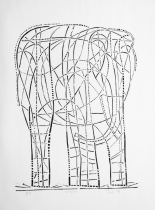
Gdzie szukać pierwszych inspiracji i źródeł drzeworytu Jerzego Panka?
Technika ta, w końcu jedna z wielu graficznych, choć przyswojona w czasie studiów, ma korzenie głębsze. Wyrasta z młodzieńczych doświadczeń i fascynacji Panka. Sięgnijmy do początków, cytując komentarz artysty: ”Najpierw dom był drewniany, podłoga drewniana, kołyska i wózek też. Sprzęty były drewniane. Wszystko było naturalne, porządnie szorowane, bez żadnych tam lakierów. Drewno ma swój kolor, zapach, dźwięk, swoją strunę i miąższ”. Po latach w pracowni Jerzego Panka był drewniany stół stolarski i drewniany zydel. Rzadko służył do siedzenia, co najwyżej do oparcia nogi, bo artysta pracował na stojąco. „Lakierów” też nie było, może jedynie farba drukarska, niezbyt chciana, bo „paprała deski”. Artysta często z niej rezygnował, pozostawiając wyrzeźbione deski będące w większym stopniu obiektem rzeźbiarskim niż matrycą przyszłego drzeworytu.
Iwona OrnatowskaNiekwiaty
18.10.2024
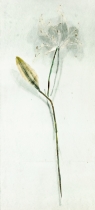
„Prezentowane na wystawie grafiki Iwony Ornatowskiej przedstawiają piękne, cięte kwiaty w procesie przemian, epizodów krótszych lub dłuższych stanów zawieszenia między życiem a śmiercią. Paradoks równoczesności tych stanów artystka obrazuje używając oryginalnej, wypracowanej przez lata metody własnej opartej na technice wklęsłodruku. I tu mamy kolejny paradoks, gdyż metodą jest, między innymi, zgoda na przypadek, błąd lub zniszczenie. Autorka traktuje proces interakcji między matrycą, kwasem i odbitką na papierze jako równoprawnego partnera w kreacji obrazu, nie kontrolując go przesadnie.
Marta Bożyk Iwona Ornatowska Marta Wakuła-MacFlower Power
19.04.2024
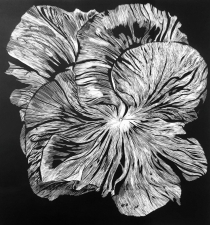
Naturalna uroda, powab i bezpośrednia, by nie rzec często nieskomplikowana symbolika kwiatu sprawiły, że współcześnie motyw ten stał się pierwszym tematem komercyjnie zorientowanej, nie zawsze wyszukanej twórczości. Trudno się więc dziwić, że mimo obecnych w sztuce współczesnej przykładów ambitnego zainteresowania kwiatem, artyści dbający o reputację strzegli się ryzykownego motywu jak Barszczu Sosnowskiego. Tym bardziej więc należy docenić przełamanie istniejącego tabu i wysyp kwiatu w ambitnej, indywidualnej i zróżnicowanej interpretacji Marty Bożek, Iwony Ornatowskiej, Marty Wakuły-Mac.
Marta Wakuła-MacRozkwit
22.03.2024
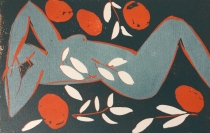
Zróżnicowana tematycznie twórczość graficzna Marty Wakuły-Mac wyróżnia się zmysłowym i emocjonalnym stosunkiem do natury. Stąd też datujące się od dłuższego już czasu zainteresowanie artystki kwiatem, motywem pierwszym dzisiejszej wystawy. Znane są jej "zielniki", bezpośrednie odciski roślin na papierze, czy równie naturalistyczne miniatury kwiatowe rytowane w technikach linorytu i suchej igły. Artystka nie poprzestaje jednak na wiernym studium roślin. Nie ogranicza się też do reprezentacyjnego ujęcia kwiatu, gdy przybiera atrakcyjne barwy godowe i pełne wdzięku kształty.
Agnieszka DoboszChłód Północy
24.11.2023
Artystka przez długi czas wierna była grafice w czerni i bieli. Kolor w jej twórczości, równie niespodziewanie, co intensywnie pojawił się kilka lat temu. Bynajmniej jednak nie w urozmaiconej gamie, oddając urodę otoczenia, lecz jako powtarzający się zafarb malarski wypełniający graficzną planszę. Ekspresja koloru przejmowała w tych grafikach w większym stopniu funkcję emocji, niż przedstawiania.
- Dodaj link do:

 ul. Sławkowska 14